A homeowner in Charlotte contacts a landscape designer expecting a free plan and installation quote. The designer actually charges for design plans and doesn’t install. After an awkward phone call, both sides realize they wasted time because the website never explained how the business works.
Landscape design services vary widely, and homeowners often don’t know the differences. Clear explanations online help the right clients reach out and set expectations from the first conversation.
Explain Your Service Model
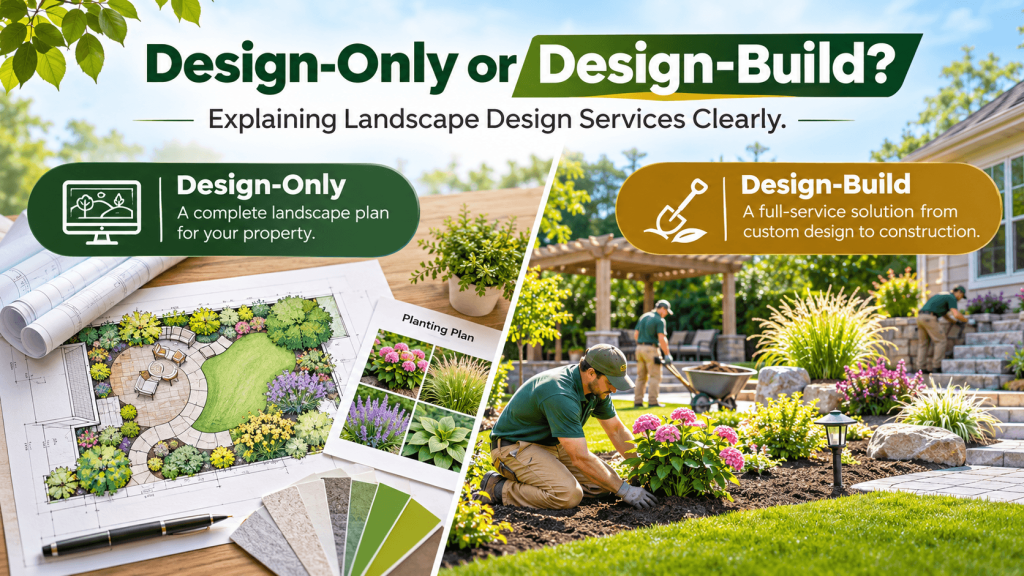
Some professionals offer design only, creating plans that homeowners or contractors install. Others offer design-build, handling both design and installation. Some provide consultations, planting plans, or maintenance plans. State clearly which services you offer and which you don’t.
Use correct professional titles as well. "Landscape architect" is a licensed title in every US state, so only licensed professionals should use it. Landscape designers, garden designers, and contractors should describe their training and credentials accurately. If you partner with licensed installers, irrigation specialists, or hardscape contractors, explain how those relationships work and who homeowners will contract with for each part of the project.
Walk Clients Through Your Process
Homeowners feel more comfortable when they know what happens next. Describe typical steps: initial consultation, site visit and measurements, concept design, revisions, final plan, and installation or handoff. Mention approximate timelines for each phase and how seasonal schedules, permits, and plant availability can affect them.
Explain how fees work. Whether you charge flat design fees, hourly consultations, or credit design fees toward installation, clear information helps homeowners decide whether your services fit their budget and project size.
Show Projects With Context
Portfolio photos are more useful with short descriptions explaining the client’s goals, site challenges, plant choices, and whether you designed, installed, or both. Include projects at different budget levels so homeowners with smaller yards or budgets can see that you work with them too. Before-and-after photos and design drawings help homeowners understand your role in each project.
Directory listings give homeowners another path to find local designers. A profile in the Best Of Business Listings home decor and garden directory helps local homeowners discover your services. Describe your service model there as clearly as you do on your website.
Conclusion
Clear explanations save time for homeowners and designers alike. Describe your service model and credentials accurately, explain your process and fees, show projects with context, and keep listings consistent, including on Best Of Business Listings. Better expectations lead to better-fit projects.
Frequently Asked Questions
What’s the difference between design-only and design-build landscaping?
Design-only professionals create landscape plans that homeowners or separate contractors install. Design-build firms handle both design and installation. Each model has advantages, so businesses should clearly state which service they provide and how they work with installers if they don’t install themselves.
Can a landscape designer call themselves a landscape architect?
Generally no, unless they hold a state license. Landscape architect is a regulated professional title in every US state. Unlicensed professionals typically use titles such as landscape designer or garden designer and should describe their education, certifications, and experience accurately.
Should landscape designers publish their fees online?
Sharing fee structures or starting ranges helps homeowners decide whether to reach out. Explain whether you charge flat design fees, hourly consultations, or credit design fees toward installation. Clear pricing information attracts clients whose budgets and project sizes match your services.
What should a landscape design portfolio include?
Include high-quality photos, before-and-after images, sample drawings, and brief descriptions explaining the client’s goals, site challenges, plant choices, and your role. Clarify whether you designed, installed, or both. Context helps homeowners understand what working with you on their own property would actually involve.